If you experience jaw pain or frequent headaches, you know how much it can affect your day. One common culprit is teeth grinding and clenching. This unconscious habit, known as bruxism, puts a lot of stress on your jaw muscles and can lead to persistent discomfort. Our team at Shin Dentistry can help you understand the source of frequent headaches as the first step toward finding relief.
Therapeutic Botox® treatments can help relax the jaw muscles to relieve the tension associated with teeth grinding and clenching. This approach focuses entirely on your comfort and well-being, helping to address the source of your pain.
What Is Bruxism & How Does It Affect You?
Bruxism is the term for grinding or clenching your teeth, which often happens while you sleep. Over time, this repeated pressure can lead to discomfort and dental issues. A consultation with a dentist in Stouffville during your regular dental exam can help determine if bruxism is the source of your symptoms.
Signs You May Grind or Clench Your Teeth
You may be dealing with bruxism if you notice any of the following:
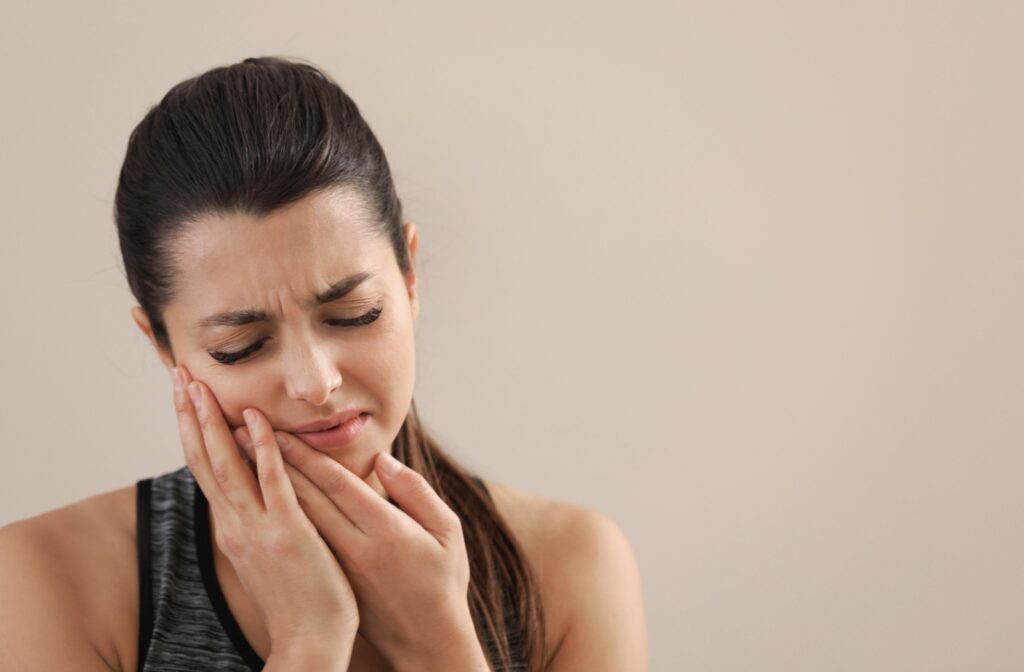
- Persistent jaw pain or soreness
- Dull headaches, especially in the morning
- Tight or tired jaw muscles
- Chipped, flat, or worn-down teeth
- Increased tooth sensitivity
The Impact on Your Daily Life
Chronic pain from bruxism can make simple activities like chewing, talking, and yawning feel uncomfortable. The goal of any treatment is to reduce this discomfort and help protect your teeth from further wear and tear.
How Therapeutic Botox® Helps with Jaw Pain & Headaches
When used for therapeutic purposes, Botox works differently than it does for cosmetic applications. The focus is on your comfort and jaw function, not your appearance.
Relax the Overworked Jaw Muscles
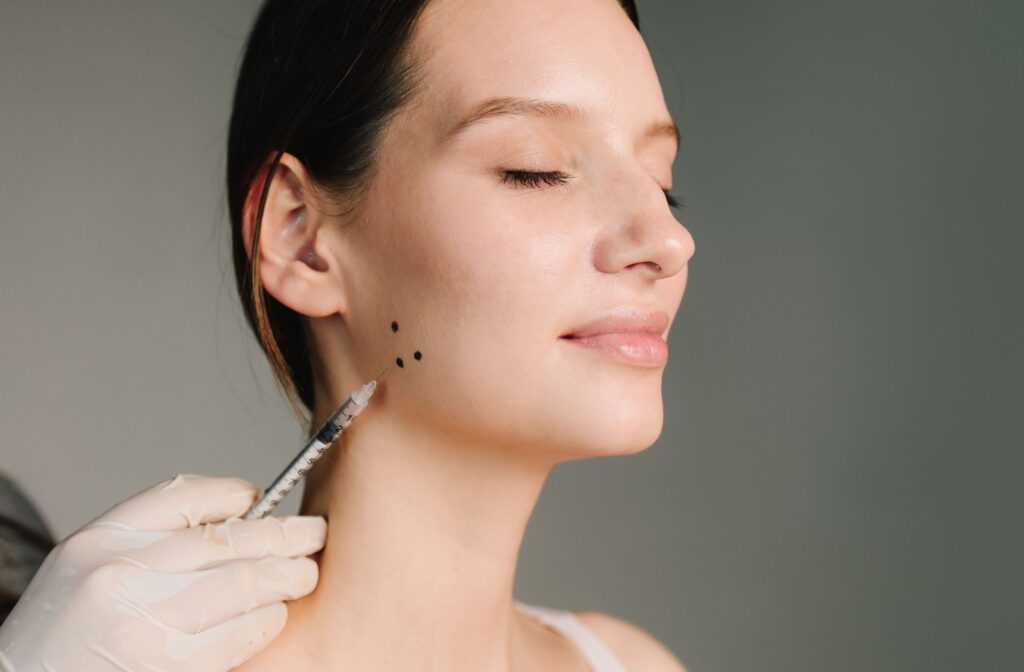
Botox® is a purified protein that, when administered in small amounts, helps relax targeted muscles. For bruxism, it is placed into the masseter muscles—your main chewing muscles. This helps reduce the intensity of clenching and grinding without affecting your ability to chew or make facial expressions.
The Goal of Your Treatment
By relaxing these overworked jaw muscles, therapeutic Botox® can help relieve the associated jaw pain and headaches. It also helps protect your teeth from the excessive force of grinding, which can prevent future wear and fractures that may require restorative dentistry.
Your Treatment Journey from Start to Finish
Knowing the process can help you feel more comfortable and prepared for your dental appointment. The entire procedure is straightforward and completed right in the dental office.
What Happens at Your Consultation
Your visit starts with a discussion about your symptoms and a thorough examination of your jaw and facial muscles. The dentist determines if you are a suitable candidate and maps out the precise sites for the treatment.
The Treatment Process Itself
The treatment itself is quick and feels like a small pinch. Most people describe the sensation as minimal and very brief. The entire procedure typically takes just a few minutes to complete.
How Long Do the Effects Last?
You may start to feel improvements within a week or 2, with the full effects becoming noticeable after that. The relief from therapeutic Botox® for bruxism typically lasts for 3–4 months. Follow-up treatments are often needed to maintain the results.
Care & Considerations After Your Treatment
Following a few simple guidelines after your appointment helps you get the most from your treatment and supports your overall long-term oral health.
What to Do Post-Treatment
After your treatment, you should:
- Avoid rubbing or massaging the treated areas for at least 4 hours.
- Stay in an upright position for the first 4 hours after your appointment.
- Hold off on any strenuous exercise for the rest of the day.
- You can gently move your jaw to help the treatment settle into the muscles.
Possible Side Effects
Side effects are not common and are usually mild. You might experience temporary tenderness, redness, or slight bruising at the treatment site. These typically fade on their own within a few days.
Is This Treatment Option a Fit for You?
Therapeutic Botox® is a helpful option for many people who struggle with bruxism, but it is not suitable for everyone. A professional evaluation is the only way to know for sure.
Who May Be a Good Candidate
This treatment may be right for you if you have significant jaw muscle pain from clenching and grinding. It is an option for adults who want to manage their symptoms and protect their long-term dental health as part of their general dental care plan.
Who May Need a Different Approach
This treatment is not recommended for individuals who are pregnant or breastfeeding. It is also not suitable for those with certain neurological conditions. It is important to share your full medical history during your consultation.
Find Relief Today
Dr. Shin is a graduate of the Pacific Training Institute for Facial Aesthetics & Therapeutics – an anatomy-based training organization known for it’s high-caliber of teaching and patient care practices. As a graduate, Dr. Shin joins some of the most highly trained and qualified botulinum toxin and facial rejuvenation practitioners in the world. Speak to us today about how botulinum toxin can enhance your life. If you are looking for a dentist in Stouffville to discuss your options for headache and jaw pain relief, contact the team at Shin Dentistry to book a consultation.